


Yala National Park Safari Guide: Chasing the World's Highest Density of Wild Leopards
Ask any traveler where to go on safari in Sri Lanka, and one name comes up before all others: Yala. It's the country's most famous national park, its most visited, and — for many wildlife photographers — the single best place on Earth to see a leopard in the wild. But that fame comes with trade-offs, and if you're planning a trip, it helps to know exactly what you're signing up for.
The Leopard Capital of the World
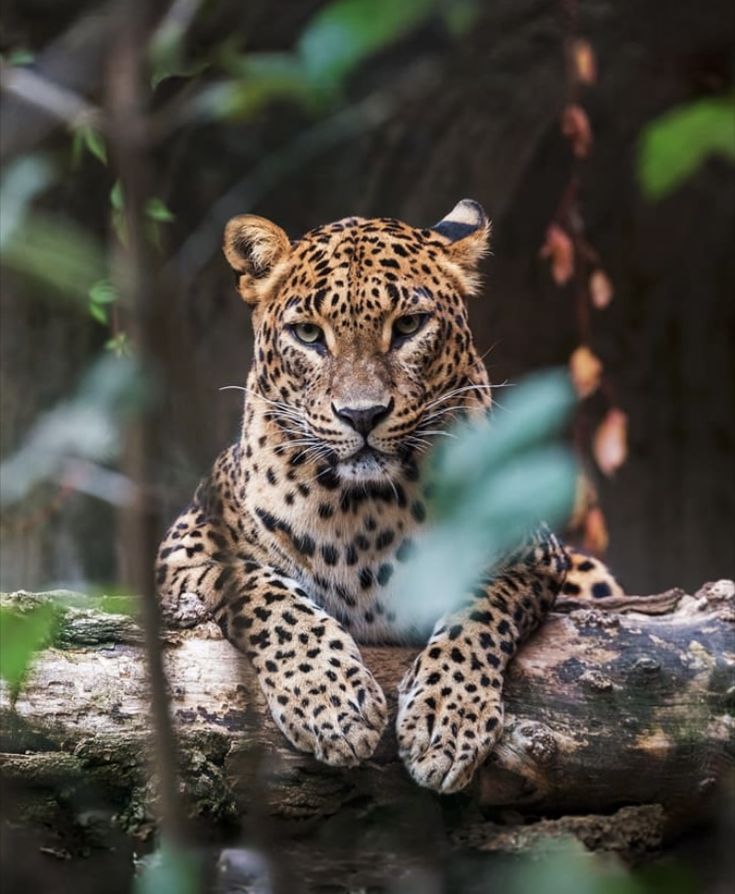
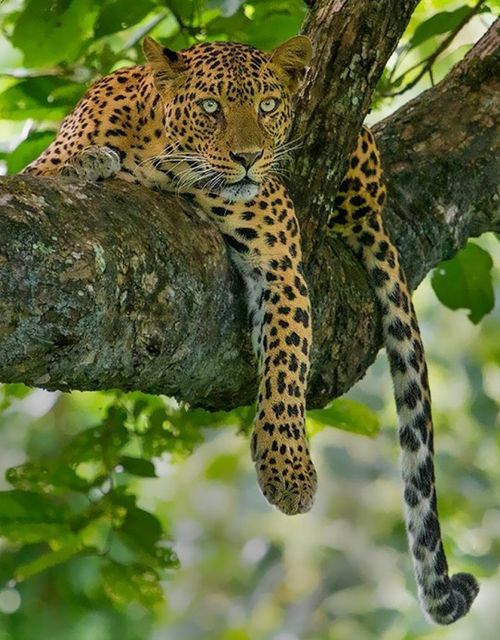
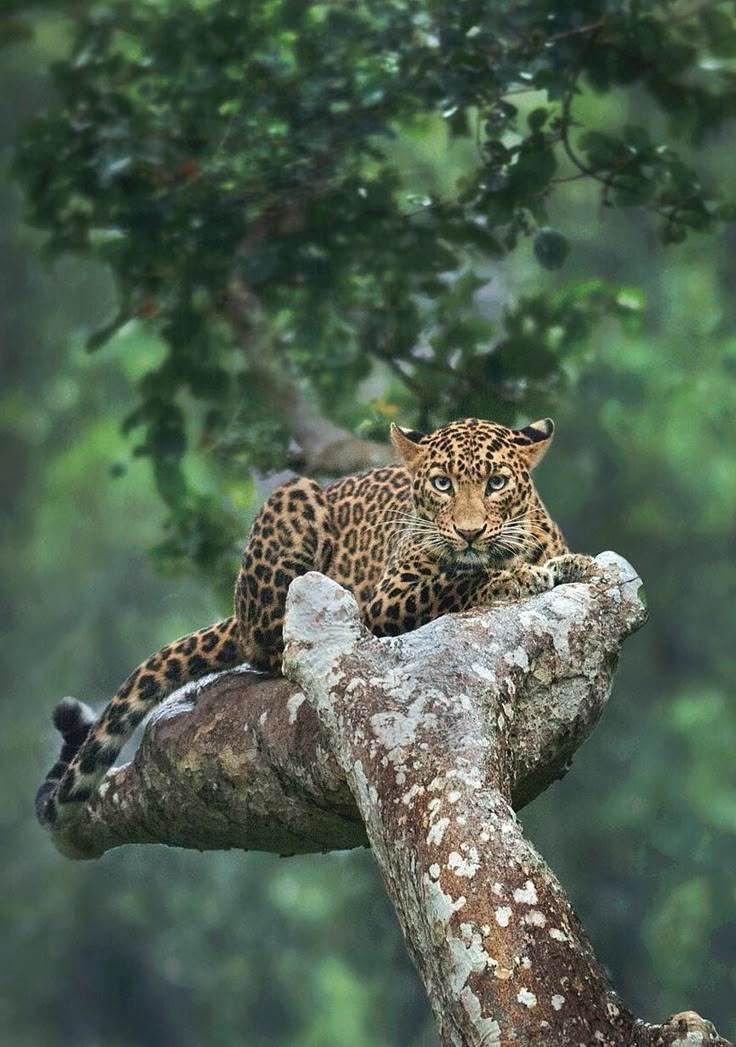
Yala sits on Sri Lanka's southeastern coast, hugging the Indian Ocean across the Hambantota and Monaragala districts. It covers roughly 979 km², making it the country's second-largest national park, and its reputation rests almost entirely on one animal: the Sri Lankan leopard. Block 1 in particular is often cited as having the highest leopard density anywhere in the world, with estimates running as high as one leopard per square kilometer in places.
That density is what pulls in the crowds — and what makes Yala genuinely special. Few other places let you realistically plan a trip around seeing a wild leopard, rather than just hoping for one.
A Long, Layered History
Yala's story goes back further than most visitors realize. The area was once part of the ancient Kingdom of Ruhuna, and the park still holds archaeological sites — temples, monasteries, and reservoirs — tucked among the scrub. The Sithulpawwa Rock Temple, an ancient Buddhist monastery inside the park believed to have once housed thousands of monks, is a striking reminder that this land was inhabited and revered long before it was a wildlife reserve.
Its conservation history is more recent, and considerably less noble at the start. Yala was designated a wildlife sanctuary in 1900 — but under British colonial rule, that initially meant a controlled hunting ground rather than a protected one. It wasn't until 1938 that Yala was formally declared a national park, putting an end to the hunting era and beginning its transformation into the conservation landmark it is today. Over the following decades, additional blocks were added, eventually growing the park to five sections, though only a couple are open to the public.
Beyond the Leopards: Yala's Biodiversity
Leopards get the headlines, but Yala's ecosystem is genuinely diverse. The terrain shifts between dry-zone forest, open grassland, scrubby thickets, ancient man-made reservoirs called "tanks," and coastal lagoons and dunes where the park meets the ocean. That variety supports an equally varied cast of wildlife:
- Elephants: Often seen in herds near water sources.
- Sloth Bears: Elusive but present in good numbers.
- Wild Buffalo: Rounding out Sri Lanka's "Big Four" alongside leopards, elephants, and sloth bears.
- Crocodiles: Both of Sri Lanka's crocodile species — the freshwater mugger and the saltwater crocodile, the largest crocodilian on the planet.
- Sea Turtles: All five of the world's sea turtle species that nest in the region, including leatherback and hawksbill turtles.
- Birdlife: Over 200 bird species, making Yala a serious birding destination in its own right.
Understanding the Overtourism Challenge
It would be misleading to write about Yala without mentioning its biggest drawback: crowds. Yala is Sri Lanka's most visited national park, and Block 1 in particular can feel less like a wilderness experience and more like rush hour. Convoys of 30 to 50 jeeps have been known to race toward a single leopard sighting, and this "jeep jam" phenomenon has drawn real criticism for the stress it places on wildlife and the safety risks it creates on narrow dirt tracks.
If you're set on Yala, choosing a less-visited entrance and zone (more on that below) goes a long way toward avoiding the worst of it. If solitude matters more to you than leopard odds, it's also worth considering Wilpattu or Gal Oya as alternatives — quieter parks with their own strong wildlife credentials.
Practical Visiting Details
1. Getting There
Yala is located near Hambantota, on Sri Lanka's south-east coast. Most visitors base themselves in nearby Tissamaharama or Hambantota, both of which offer easy access to the park's main entrances.
2. Entrances and Zones
Yala is split into blocks, but only a couple are open to the public — primarily Block 1 and Block 5, with Block 2 accessible in some configurations. There are four main entry points:
- Palatupana: Leads into Block 1 and Block 2, the most popular and most crowded route.
- Katagamuwa: Also accesses Block 1 and Block 2, but tends to be less congested.
- Galge & Buttala–Kataragama Road: Lead into Block 3 and Block 5, which see far less traffic and, as a result, sometimes offer better leopard sightings due to the lack of congestion.
3. Best Time to Visit
Opinions vary slightly by source, but the general consensus points to the dry season, roughly February through July, as the best window — animals gather around shrinking waterholes and sparser vegetation makes them easier to spot. Some operators specifically highlight May to August as prime time for elephants, sloth bears, and leopards, while October to December is better for birds, deer, and crocodiles. The park typically closes for part of September into early October for its annual maintenance closure, so it's worth checking dates before booking.
4. Safari Timings & Booking
The park operates from 6:00 AM to 6:00 PM, and gate times are strictly enforced. Typical safari slots include:
- Morning Safari: Roughly 5:00–9:30 AM
- Evening Safari: Roughly 2:30–7:00 PM
- Full-Day Safari: 5:00 AM–6:00 PM
Booking Tip: Book through Éclat Ceylon Tours for reliable 4x4 vehicles and experienced local drivers who know how to navigate quieter zones. An early hotel pickup (around 4:00–4:30 AM) from Tissamaharama is required to secure a good spot in the opening queue. Mobile signal is patchy inside the park, so prepare to be offline during your game drive.
5. What to Pack
- Comfortable, breathable clothing in neutral tones (avoid bright colors).
- A hat and sunglasses for open jeep exposure.
- Binoculars for birding and distant sightings.
- Water and snacks, since facilities are limited to entry points.
Is Yala Worth It?
For most travelers, yes — the leopard odds alone make it one of the most compelling wildlife experiences in Asia, and the park's mix of ancient temples, coastal scenery, and genuine biodiversity gives it more depth than "just" a leopard safari. Just go in with realistic expectations about the crowds, book with an operator who's upfront about total costs, and consider a quieter entrance if you can. Do that, and Yala more than lives up to its reputation.

Adam Jhon
Credibly pontificate transparent quality vectors with quality mindshare. Efficiently architect worldwide strategic theme areas after user.
Maria Willson
It is different from airport transfer or port transfer, which are services that pick you up
Michel Edwards
Credibly pontificate transparent quality vectors with quality mindshare. Efficiently architect worldwide strategic theme areas after user.