


Wilpattu National Park Safari Guide: Sri Lanka’s Wildest Wildlife Secret
If you picture a Sri Lankan safari, you probably picture Yala — jeep convoys racing toward a single leopard, dust clouds, and a queue of tourists jostling for the same photo. Two hundred kilometers to the north, a different kind of safari is waiting. Wilpattu National Park is Sri Lanka's largest and oldest national park, and it might just be its wildest.
A Park Defined by Its Lakes
Wilpattu's name comes from "Willu" — the natural, sand-rimmed lakes that give the park its identity. Nearly a hundred of these shallow, rain-filled basins are scattered across the landscape, drawing animals out of the dense forest and into the open where they can actually be seen. It's this patchwork of villus, dry-zone jungle, open plains, and mangroves that makes Wilpattu feel less like a managed reserve and more like genuine wilderness.
The park spans roughly 1,317 km² along Sri Lanka's northwest coast, about 30 km west of Anuradhapura and 180 km north of Colombo. It was first protected as a wildlife sanctuary in 1905 and formally declared a national park in 1938 — decades before Yala became a household name. In fact, Wilpattu was once more famous than Yala for its leopards, before years of closure during the country's civil conflict shifted the spotlight south. Since reopening, it has stayed refreshingly under-visited.
The Wildlife: What You Can Spot
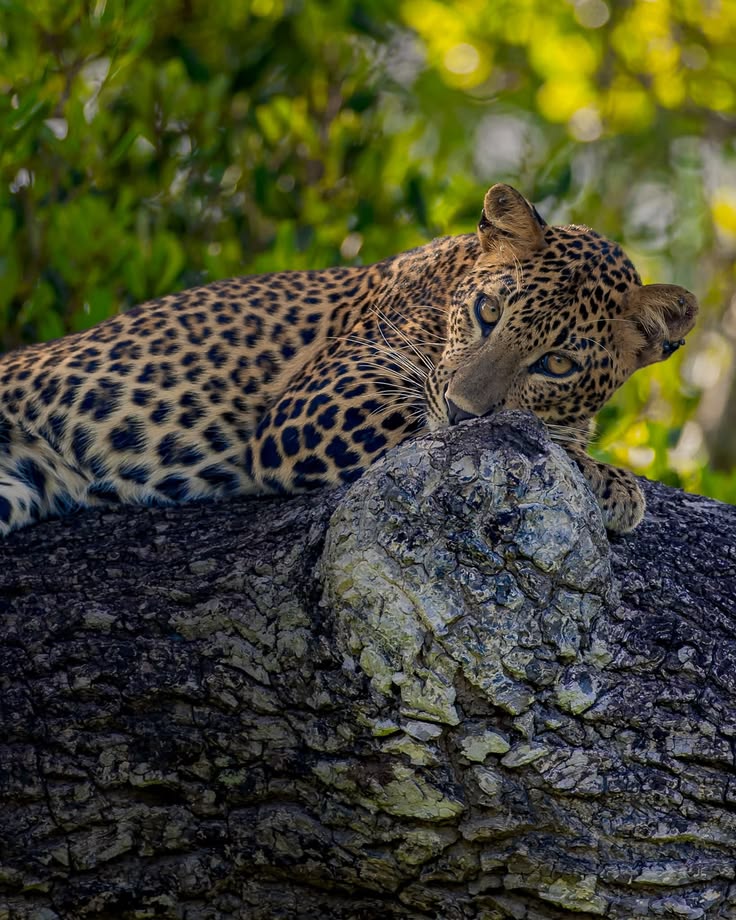
Wilpattu is one of the best places in the world to spot the Sri Lankan leopard (Panthera pardus kotiya), alongside a genuinely impressive supporting cast:
- Sri Lankan Leopards: High population density around natural water basins.
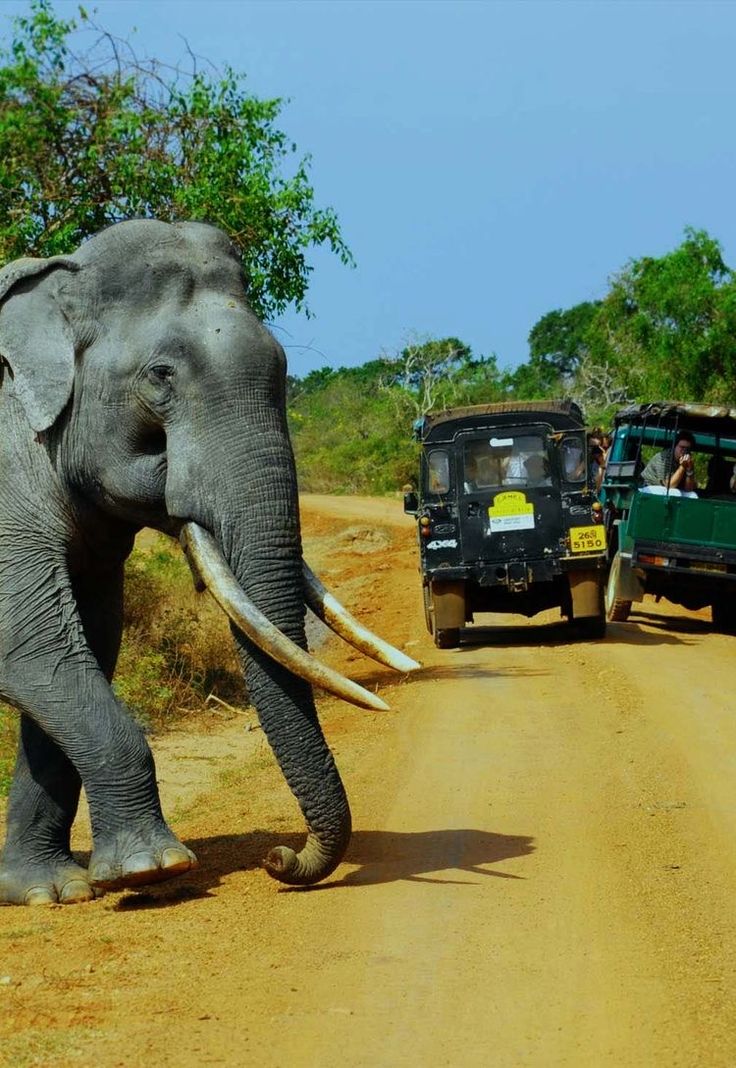
- Sri Lankan Elephants: Moving through the plains and forest edges.
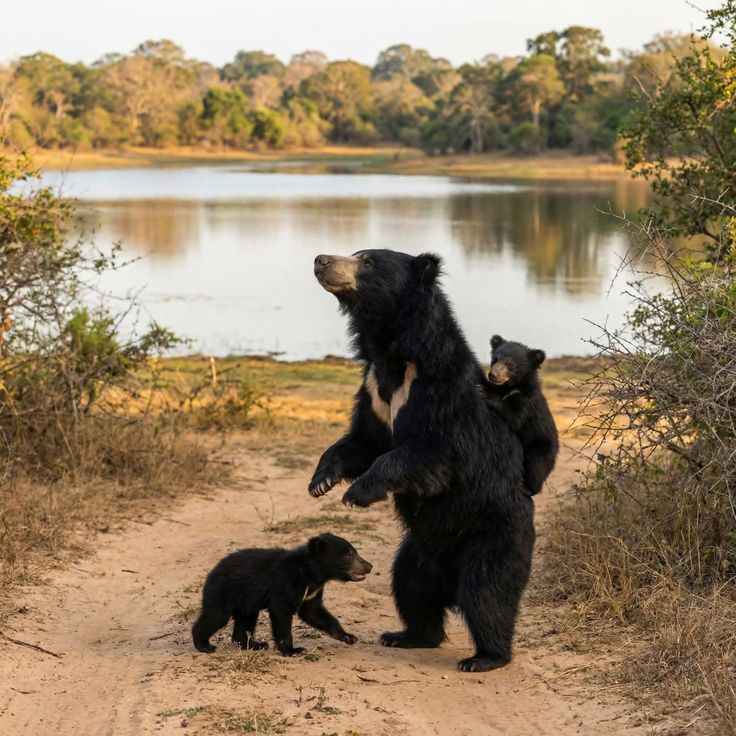
- Sloth Bears: Shier and rarer than leopards, but regularly sighted.
- Herbivores & Mammals: Spotted deer, sambar deer, water buffalo, and mongooses.
- Reptiles & Birdlife: Crocodiles, monitors, and nearly 150 bird species including endemics like the Ceylon grey hornbill and the Sri Lankan junglefowl (the national bird).
Sightings are never guaranteed on a wild safari, but the density of habitat around the villus offers incredible odds, especially at dawn and dusk when animals gather to drink.
Why Choose Wilpattu Over Yala?
It comes down to space and solitude. Wilpattu's visitor numbers are a fraction of Yala's, so you're far less likely to find dozens of jeeps parked around a single sighting.
The terrain is also more varied — denser forest cover, open water bodies, and a landscape that evolves as you traverse through it. If "safari" for you means quiet, unhurried wildlife-watching rather than a high-speed race to the next radio call, Wilpattu is the ultimate choice.
Practical Visiting Details
1. Getting There
The park sits about a 4-hour drive from Colombo. Most visitors base themselves in Anuradhapura (about an hour from the gate) or in smaller villages like Nochchiyagama, which sit right on the park's doorstep.
- Main Gate: Hunuwilagama Entrance (East).
- Scenic Route: Eluwankulama Entrance (West) via the Old Mannar Road.
2. Best Time to Visit
Safaris run year-round, but February to October — the dry season — is considered prime time, as animals cluster predictably around remaining water sources. Early morning (6:00 AM) and late afternoon safaris consistently offer peak wildlife activity.
3. How to Book
You can book your seamless safari experience directly through Éclat Ceylon Tours for custom itineraries, private 4x4 jeeps, hotel transfers, and experienced naturalist guides.
4. Where to Stay
- Inside or Bordering the Park: Luxury tented camps and glamping lodges — ideal for early morning starts.
- Anuradhapura: A wider range of boutique hotels and guesthouses, with the bonus of ancient UNESCO ruins to explore on non-safari days.
- Nochchiyagama: Budget-friendly lodging right next to the entrance.
5. Safari Packing List
- Light, neutral-colored clothing (khaki, green, beige; avoid dark blues/blacks).
- Binoculars and camera gear with a zoom lens.
- Sun protection (hat, sunglasses, sunscreen).
- Your own snacks and reusable water bottle.
Expert Safari Tip
Resist the urge to spend the entire safari behind a camera lens. Guides communicate sightings between jeeps via radio, so when something exciting turns up, you'll get your photo opportunity — but don't let the search for the perfect shot eclipse the raw experience of sitting quietly in Sri Lanka's wildest park

Adam Jhon
Credibly pontificate transparent quality vectors with quality mindshare. Efficiently architect worldwide strategic theme areas after user.
Maria Willson
It is different from airport transfer or port transfer, which are services that pick you up
Michel Edwards
Credibly pontificate transparent quality vectors with quality mindshare. Efficiently architect worldwide strategic theme areas after user.